
Estimated Reading Time: 6 minutes
Table of Contents
- Why Winter Driving Accidents Are So Common in Pennsylvania
- The Core Rule: Drivers Are Responsible, Not the Weather
- Common Ways Drivers Are Found at Fault in Snow or Ice Crashes
- How Comparative Negligence Affects Winter Accident Claims
- What to Do After a Snow or Ice-Related Crash
Snow and ice change how a car crash looks and how fault gets argued. Roads look slick, visibility drops, and cars slide in ways drivers cannot fully control. After the crash, one question tends to surface quickly: Was anyone really at fault, or was it just the weather?
Pennsylvania law gives a clear answer. Snow and ice may explain why a crash happened, but they rarely excuse a driver’s responsibility. Fault still depends on how each driver responded to known winter conditions, and that determination can shape insurance claims and legal options after the wreck.
Below, we explain how fault is determined in snow- and ice-related car accidents in Pennsylvania, what drivers are legally expected to do in winter conditions, and what steps can help protect your position after a crash.
Why Winter Driving Accidents Are So Common in Pennsylvania
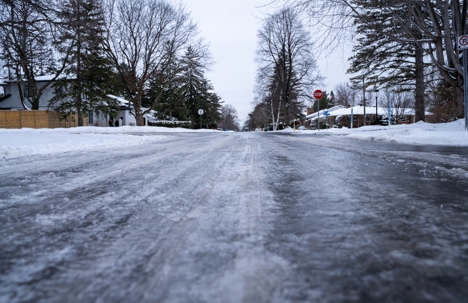
Winter weather creates serious hazards across Pennsylvania every year. Data from PennDOT shows thousands of crashes occur annually on snowy, slushy, or ice-covered roads, leading to injuries and fatalities statewide. These crashes are not limited to major storms. Many happen during routine winter conditions, including early morning ice, refreeze after plowing, and limited visibility during light snow.
Because winter conditions are predictable in Pennsylvania, drivers are expected to anticipate them. Courts, insurers, and law enforcement generally start from that assumption when evaluating fault after a winter crash.
The Core Rule: Drivers Are Responsible, Not the Weather
Pennsylvania law does not treat snow or ice as the legal cause of a crash. Instead, fault is based on whether a driver acted reasonably under the conditions.
The Pennsylvania Vehicle Code requires drivers to operate at a speed that is reasonable and prudent based on actual hazards, including weather and road conditions. Posted speed limits do not override this duty. A driver traveling at the speed limit can still be found at fault if that speed was unsafe for snow or ice.
In practice, investigators and insurers ask questions like:
- Was the driver traveling too fast for conditions?
- Did the driver anticipate hazards such as evergreen tree shade that hold ice longer?
- Did they leave enough following distance or an assured clear distance to stop?
- Did they maintain control of the vehicle?
- Was the vehicle properly cleared and maintained for winter driving?
Common Ways Drivers Are Found at Fault in Snow or Ice Crashes
Fault in winter accidents often comes down to specific driving choices. Common examples include:
- Driving too fast for conditions. Speeding in winter does not always mean exceeding the posted limit. A driver who cannot stop safely or who slides through an intersection may still be considered negligent, even at a lower speed.
- Following too closely. Snow and ice increase stopping distances dramatically. Rear-end crashes on icy roads are often blamed on the trailing driver for failing to allow enough space.
- Crossing the center line or leaving a lane. A driver who slides into oncoming traffic or off the roadway is often presumed to have lost control, which can support a finding of fault.
- Failing to maintain the vehicle. Worn tires, poor brakes, broken defrosters, or visibility issues can all contribute to crashes and be used as evidence of negligence.
- Driving while distracted or impaired. Winter conditions magnify the risks of inattention. Distraction or impairment weighs heavily against a driver when fault is assigned.
Snow & Ice on Vehicles: Christine’s Law
Pennsylvania law also addresses snow and ice on vehicles, not just on the road.
Under Christine’s Law, drivers must make reasonable efforts to remove accumulated snow and ice from their vehicles, including the roof, hood, and trunk, within 24 hours after snow or ice stops falling. Police can stop a vehicle if snow or ice poses a safety risk, and fines may apply even if nothing falls off.
When snow or ice dislodges from a moving vehicle and strikes another car or person, that violation can become strong evidence of fault in a civil claim. Crashes caused by sheets of ice coming off a vehicle are rarely treated as unavoidable accidents under Pennsylvania law.
How Comparative Negligence Affects Winter Accident Claims
Pennsylvania follows a modified comparative negligence system. Fault can be shared between drivers.
An injured person can recover compensation only if they are 50 percent or less at fault. Any recovery is reduced by their share of responsibility. If a driver is found more than 50 percent at fault, they cannot recover damages.
In winter crashes, this often means both drivers’ actions are examined closely. One driver may be faulted for speeding on ice, while the other may share some responsibility for an unsafe maneuver or poor visibility. The final outcome depends on how fault is divided.
What to Do After a Snow or Ice-Related Crash
Steps taken early can matter, especially when road conditions become part of the fault analysis.
- Call 911 and report the crash
- Stay at the scene and cooperate with responding officers
- Take photos of vehicles, road conditions, snow or ice buildup, and visibility
- Note weather conditions and whether roads were treated
- Collect witness information if available
- Exchange identification and insurance company information
- Seek medical care promptly, even if injuries seem minor
- Report the crash to your insurance company
Clear documentation of road conditions and vehicle damage can play an important role in how fault is evaluated later. Weather reports after a crash can also help prove liability.
How The Law Offices of Anthony Urban, P.C. Can Help After a Winter Crash
Snow and ice accidents often involve disputed fault and insurance pushback. The Law Offices of Anthony Urban, P.C. helps injured Pennsylvanians understand how winter driving laws apply to their situation and what options may be available.
The firm has represented clients across Schuylkill and surrounding counties for more than 60 years, and that local experience matters in winter accident cases. Road conditions, weather patterns, and driver all factor into how fault is evaluated.
Here are a few ways the firm can help after a winter-weather crash:
- Review crash reports and evidence tied to road and weather conditions
- Analyze driver conduct under Pennsylvania winter driving standards
- Evaluate comparative fault issues that may affect a claim
- Communicate with insurance companies regarding liability disputes
- Help clients understand deadlines and next steps
We offer free initial consultations and are available around the clock, with flexible appointments and home or hospital visits when needed.
If you were injured in an auto accident caused by snow or ice in Pennsylvania, call (888) 268-0023 or contact us online to discuss your situation and get clear, personalized guidance.