
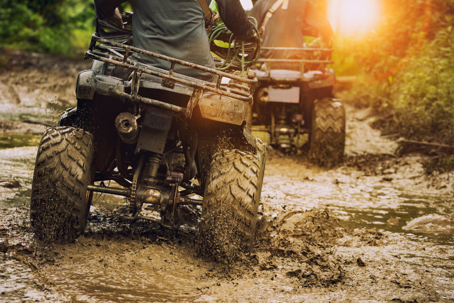
Transporting an ATV, UTV, or dirt bike introduces a unique set of hazards before the vehicle ever reaches the trail. When a heavy machine falls from a trailer, a hitch fails on the highway, or a loading ramp collapses, victims can face severe injuries, piling medical bills, and complicated liability.
In this blog, we explore the hidden dangers of off-road vehicle transport, who may be liable for injuries, and how to navigate a claim in Pennsylvania.
The Hidden Risks of Transporting ATVs, UTVs, & Dirt Bikes
Most people associate off-road injuries with aggressive trail riding, rollovers in the woods, or navigating rough terrain. However, transporting these machines requires specialized equipment, strict weight distribution, and extreme caution. Getting to the trailhead can be just as dangerous as the ride itself when safety protocols are ignored.
ATVs and UTVs can weigh anywhere from 400 to over 1,500 pounds. Moving that amount of weight onto a trailer and hauling it at highway speeds dramatically alters a towing vehicle’s stopping distance and handling. When drivers underestimate physics or take shortcuts during the loading process, they put everyone on the road at risk.
Common Parties Affected by Off-Road Accidents
Accidents involving dirt bikes, ATVs, and other off-road vehicles can affect a wide range of parties, such as:
- Drivers hit by a trailer or detached load. Someone struck by an ATV/UTV, ramp, or debris that came loose from another person’s trailer.
- Motorists injured in collisions with towing vehicles. Accidents caused by unsafe lane changes, overloaded trailers, or poor visibility.
- Passengers or family members injured during transport. Especially when someone else was responsible for loading, securing, or driving.
- Individuals harmed by commercial or third-party haulers. Landscapers, contractors, rental companies, or outfitters transporting off-road vehicles.
- Injured parties in multi-vehicle or highway incidents. Situations where a trailer or off-road vehicle contributes to a chain-reaction crash.
Common Causes of ATV, UTV, & Dirt Bike Accidents
Loading and unloading recreational vehicles involves challenging angles and machinery. Negligence plays a major role in these incidents, especially when individuals rush the process or use compromised equipment.
Common causes of loading and transport accidents include:
Steep or Defective Loading Ramps
Using ramps that are not rated for the vehicle’s weight or placing them at steep angles can cause an ATV to flip backward onto the operator or a bystander.
Winch & Cable Failures
When a winch snaps under tension or a cable slips, the sudden release of a UTV can cause catastrophic injuries.
Compromised Tie-Down Straps
Relying on frayed, weather-beaten, or improperly rated ratchet straps can cause the vehicle to shift during transit and cause the load to detach completely.
Does Auto Insurance Cover Off-Road Trailer Accidents?
Untangling auto insurance coverage after a trailer accident can be frustrating. Auto insurers frequently claim that the UTV or ATV policy should cover the damage because the recreational vehicle was the source of the detached load, while the recreational insurer may argue that the auto policy is responsible because the vehicle was hitched to a truck navigating public roads.
In Pennsylvania, navigating these overlapping policies requires a clear understanding of state insurance laws. Without legal representation, victims can easily get caught in a frustrating loop of adjusters pointing fingers at one another, resulting in delayed or denied claims. A personal injury lawyer can intervene to stop this runaround by reviewing the policies, establishing liability, and fighting for a fair valuation.
Runaway Trailers & Highway Collisions: Who is Liable?
Establishing liability requires proving that a party failed to secure the load according to state transport regulations or drove recklessly for the weight they were towing. Determining who is at fault for an accident depends on how the equipment was secured, loaded, or transported.
Depending on the circumstances of the crash, liability may fall on several different parties:
The Towing Driver
The driver hauling the equipment is primarily responsible for inspecting the hitch, securing the safety chains, and driving at a safe speed for the added weight and diminished stopping distance.
The Vehicle or Trailer Owner
If the owner of the truck or trailer knew the equipment was faulty (such as a rusted hitch, bald trailer tires, or broken trailer brakes) but allowed it to be used anyway, they may be liable for resulting injuries.
Equipment Manufacturers
If a crash was caused by a defective ratchet strap, a faulty ball mount, or a manufacturing flaw in the trailer itself, the company that designed or sold the defective product may be held responsible under product liability laws.
Commercial Haulers or Employers
If a landscaping company, outfitter, or contractor was transporting the off-road vehicle for business purposes, their employer may be held vicariously liable for their driver’s negligence on the road.
How The Law Offices of Anthony Urban, P.C. Can Protect Your Recovery
Off-road transport accidents involve multiple layers of liability, disputed negligence, and dealing with stubborn insurers. At The Law Offices of Anthony Urban, P.C., we understand aggressive defense tactics and how to cut through the red tape of overlapping policies. Since 1962, our attorneys have been dedicated to recovering maximum compensation for the wrongfully injured.
If you were injured in an off-road accident and feel unsure about whether you can file a claim, don’t hesitate to contact our firm for the tireless advocacy you deserve. We leave no stone unturned in our pursuit of justice to thoroughly investigate the cause of the accident, identify every liable party, and build a compelling case that focuses on holding the responsible individuals accountable.
If you were harmed by an act of negligence, our personal injury lawyers can diligently pursue justice. Call (888) 268-0023 to schedule a free consultation.